September 1, 2010

Windows Can Be a Risk for Injury for Children

By David Wolf, Attorney
Published by Child Injury Lawyer Network

window%20guard.jpg

Staffers at the Hennepin County Medical Center are concerned with the high rate of children falling through windows this summer. In this year alone, HCMC has treat 14 different pediatric patients after they have fallen from windows. These patients ranged from 17-months-old to 7-years-old. This number is double from 2009, where HCMC treated 7 pediatric patients who suffered injuries from window falls.

Minnesota has issued a new law that affects the construction of windows in new homes and buildings. However, this new law will do little for existing homes and buildings. If you would like to read more on this story see Windows present dangers for children.

Below are some Window Prevention Tips:
1. Use window guards or window stops.
2. Install window guards to prevent children from falling out of windows. (If you live on the 6th floor or lower, install a window guard that can be easily opened by both adults and children)
3. Install window stops to prevent windows from opening more than 4 inches.
4. Never depend on window screens to prevent your child from falling out of a window.
5. Whenever possible, open windows from the top - not the bottom.
6. Keep furniture (and other "launching pads") away from widows to keep children from crawling and climbing around windows.
7. Some jurisdictions require landlords to install guards. Check the laws in your local jurisdiction.

If you would like to read more articles about children falling from windows see Marysville, Washington Boy Suffers Injuries Falling From Window.

August 22, 2010

State Officials Investigating Injury at Raleigh Tennessee Day Care Center

By David Wolf, Attorney
Published by Child Injury Lawyer Network

daycare%20building%20blocks.jpg

A 2-year-old girl was seriously injured at her day care in Raleigh, North Carolina. Apparently the toddler was attempting to climb a bookcase, when the bookcase fell and hit her on top of the head. The incident is being investigated by the Tennessee Department of Human Services - specifically the supervision issue.

The day care facility, Bright Horizons day care, voluntarily closed after the accident and is uncertain when it will reopen. The facility cared for 75 children and had 13 staff workers.

The facility has been inspected in the past and Tennessee DHS officials were found to incomplete files and an improper ratio of caregivers to children. After the director of the center was replaced there have been no violations after subsequent visits. If you would like to read more about this story see Toddler falls off bookcase in Raleigh day care.

Hopefully this child was not injured badly and will make a full and quick recovery. Day care providers and child care workers eed to maintain constant supervision over their children, especially toddlers. Toddlers are curious and have an overwhelming tendency to wander into places that are not "child-proof". Therefore, adults, guardians, care takers, day care providers and babysitters need to always keep a watchful eye out for the health, safety and well being of children.

August 2, 2010

Safety Tips for Home Playgrounds - Protecting Children from Personal Injuries

By David Wolf, Attorney
Published by Child Injury Lawyer Network

play%20ground.jpg

According to the Consumer Product Safety Commission (CPSC), families of about 200,000 children confront injuries associated with unsafe playground areas and equipment annually; an estimated 51,000 incidents / accidents occur on home playground equipment. Most of the injuries result from falls.

Below are some basic strategies parents and other adults can use to reduce the risk of injury on home playgrounds:

1. You alone can prevent injuries from occurring. - Inspect the equipment before you allow your children to play on it and constantly supervise children while playing.
2. Make sure play areas are bordered with proper cushion. - Remember most injuries are the result of children falling from playground equipment. Equipment surrounded with shock absorbing cushion will ensure less severe injuries.
3. What should you avoid? - Play areas surrounded by concrete, asphalt, grass or dirt. Always use protective surfacing.
4. Inspect the play area. The following conditions should be removed, repaired or corrected immediately: (a) unsafe openings as these create head entrapments and increase the risk of strangulation; (b) install guard rails; (c) remove exposed moving parts of play equipment as these create the risk of pinching or crushing; (d) never wear bicycle helmets on playgrounds - helmets can get stuck in the equipment and increase the risk of strangulation; and (e) avoid dressing your children in loose clothing or clothing with strings - these types of clothing can get wrapped around a child's neck resulting in strangulation.

To read more safety tips and advice regarding playground areas see Simple safety instructions for playgrounds.

July 3, 2010

Michigan Supreme Court Rules that Liability Waivers Are Not Shields to Negligence Causing Personal Injury to Children

By Andrew Prine, Attorney and David Wolf, Attorney
Published by Child Injury Lawyer Network

Gavel%20and%20Scales%20of%20Justice.jpg

The Michigan Supreme Court handed down a decision that may have an effect on businesses and schools within the state that offer recreational activities for minors. The Supreme Court of Michigan ruled that a parent's signature on an injury waiver does not waive the legal rights of a child who is hurt at play. Essentially, a parental signature on behalf of a child binds the child to the contract. The Michigan Supreme Court said that parents do not have the authority to do such. The court's decision reasoned that Michigan's common law prevented a parent from entering into a contract restricting the rights of a child.

The case involved a 5-year-old boy, Trent Woodman, who broke his leg at Bounce Party, an indoor recreation center, after he jumped down an inflatable slide. Woodman's mother sued the owner of Bounce Party claiming improper supervision and negligence on behalf of the recreation center; the child was not provided a pad to move down the slide as required by the device's manufacturer.

The dissenting justices predicted that the majority's interpretation of the Michigan's common law would result in widespread fallout because of increased liability risks for recreation sponsors. Justice Stephen Markman, a dissenting justice, said consequences of the majority's decision will be felt throughout the state, "including both an increase in litigation and a reduction in sporting and recreational opportunities for children." However, justice Diana Hathaway said the dissent's predictions of doom were overstated. Justice Hathaway stated that children will still continue to play sports or other recreational activities and go to bounce parties, just as they do in other states. The family's lawyer, Paul McCarthy, said anyone who takes a child into their custody "needs to be held to the minimum standards required by law." To read more about this topic see Michigan Supreme Court rules against enforceability of injury waivers. You can read more about inflatable bounce devices at Dangers of Inflatable Slides and Bounce Houses at Parties and Amusement Centers.

The validity of parental waivers is ruled upon State by State. Some States may very well enforce them while others may not. It is certainly against public policy to allow a business, individual or other entity to act with reckless disregard or negligence and avoid legal responsibility for such actions. The Michigan Court's decision is a good one for child safety and public policy.

June 24, 2010

Tremont City, Ohio Child Suffers Head Injury While Playing on Trampoline - Child Safety and Child Dangers Associated with Trampolines

By Will Brown, Attorney and David Wolf, Attorney
Published by Child Injury Lawyer Network

trampoline.jpg

In Tremont City, Ohio, a 6-year-old girl fell off the trampoline located at her home. The child was being watched by her grandmother through the back door of their home. After the accident, which the grandmother witnessed, the child walked into the home then vomited and lost balance. She was flown to a nearby hospital where she was diagnosed with a mild concussion. The grandmother stated the trampoline was usually secured by a safety net, however, it happened to be unattached on the day the accident occurred. Although the family has had the trampoline for four years, the family took the trampoline down after the accident.

Devices such as trampolines or other play equipment are a great source of fun for children. However, fun-filled playgrouund equipment can be extremely dangerous and pose a serious risk of injury to children. Parents should take extra precautions if they decide to maintain playground equipment for their children, such as the safety net for the trampoline this family had. Children sometimes do not appreciate the dangerous nature of the equipment they play on. Therefore, parents, care takers, daycare providers, babysitters, and others need to take all reasonable precautions and safety measures to protect children from sustaining bodily injury from these types of playground equipment.

To read more on this incident see 6-year-old Ohio Girl Falls Off Trampoline, Suffers Head Injury.

February 28, 2010

Tacoma, Washington – Small Child Injured After Falling Through Bleachers in Tacoma Dome

By David Wolf, Attorney
Published by Child Injury Lawyer Network
Stadium.jpg

A mother’s piercing screams brought the Washington state high school wrestling championships to a sudden halt in Tacoma recently. The woman’s seventeen month old child had just slipped through a gap in the bleachers at the Tacoma Dome, and had fallen twenty to thirty feet to the concrete below.

Amazingly, when medics reached the girl behind the bleachers, they found her conscious and moving about. She was rushed to the hospital, and is reportedly doing well, though her condition was not officially released.

A spokesman for the Tacoma Dome is calling this a freak accident, saying that the dome has been in existence for over twenty five years and this is the first time an accident of this nature has taken place. Immediately after the accident, Tacoma Dome employees searched the arena for gaps and taped over several as a temporary measure until more permanent modifications can be made. Investigators are now talking to witnesses to piece together what happened. They have said they will do whatever it takes to keep such an accident from happening again.

At the same event, a person fell through a ceiling tile in a restricted area, but was not injured badly enough to require a trip to the hospital.

To find out more about this harrowing accident at the Tacoma Dome, visit Child injured in fall from Tacoma Dome bleachers.

January 11, 2010

IKEA Recalls “Leopard” Highchair

By David Wolf, Attorney
Published by Child Injury Lawyer Network

HighChair.jpg

A serious defect with restraint straps has led IKEA to recall its “Leopard” style baby highchair. Parents, who own a Leopard highchair, are advised to stop using it right away and return the chair to IKEA. They will receive a full refund. According to a store press release, the chair has problems with its snap locks, which could cause the seat to fall out from under a child while it is sitting in the highchair. Loose snaps would also pose a choking hazard for small children. The company has received eleven reports of defective restraint straps, and one report of an injury related to the defective straps.

According to a company spokesperson, any child seats sold at IKEA are us. It is troubling that a large, established company like IKEA would begin selling a children’s product without thoroughly testing it first. If an injury case related to these defective highchairs goes to trial, the company’s product testing policy will likely be central to the case.

Read more about the IKEA defective highchair recall at IKEA recalls highchair.

If your child has been the victim of a defective product, please contact our firm for child injury legal counsel.

December 4, 2009

Delaware Deaths Statistics for Children Ages 0 - 19 Years Old - Legal Rights and Responsibilties

By James Bailey, Attorney and David Wolf, Attorney
Published by Child Injury Lawyer Network

State%20Map%20Delaware.jpg

The Center for Disease Control and Prevention collects and publishes data regarding child injuries and deaths for Delaware as well as other States. According to the CDC, transportation related injuries had the highest death rate among children ranging in age from 0 to 19 years old in Delaware. It is tragic when a child dies. Other categories reported by the CDC were drownings, falls, fire/burns, poisoning, and accidental suffocation. Co-sleeping arrangements can, in some cases, cause suffocation related death or injurires to children. See Infants in Wisconsin and Other States at Risks for Personal Injuries and Accidental Death When Co-Sleeping with Parents or Others.

It is a great loss for the family, friends, school, and the community. In Delaware, drivers should obey traffic laws and operate vehicles according to the road conditions and traffic. Safe driving can help prevent many deaths and injuries to children. Other types of accidental injuries to children can be prevented or at least reduced with better child care supervision. In an effort to help reduce the incidents of child injuries, the CDC publishes tips and advice for parents, caregivers, teachers, and others charged with the responsibility for supervising and or caring for children. See Road Traffic Injuries - The Reality for tips regarding topics like car seats and teen driving. See Falls - The Reality for tips regarding safety at play, home, and while participating in sports.

Prevention is key to preventing the pain, suffering, and, in some cases, death to children. If a child is injured or dies due to the negligence of a care provider, school, day care center, or medical provider, a child injury lawyer can provide consultation and advice as to the legal responsibilities and rights associated with such a matter.

October 24, 2009

Advice for Parents - Factors to Determine - When Should a Parent Take a Child to the Emergency Room (ER)?

By David Wolf, Attorney
Published by Child Injury Lawyer Network

hospital%20hallway.jpg

Parents can sometimes have a hard time determining when it is appropriate to take a child to the emergency room. CBS News medical correspondent and pediatrician Dr. Jennifer Ashton recently outlined some pointers for parents to recognize when an illness or injury is an emergency.

For Babies:
Look for changes in the baby’s day-to-day habits such as:

• Eating habits: Have they started eating a lot more or a lot less than normal?
• Frequency of bowel movements or urination: drastic changes that happen the same time as a change in eating habits can signal a serious problem.
• Amount of sleep: a baby that has stopped sleeping or sleeping much longer than usual can be a sign of serious illness.

Another signal of something serious is if your infant cries for more than three hours in a row. If the crying does not seem hysterical or inconsolable, a call to the doctor is in order. Otherwise a trip to the emergency room is warranted.

For Toddlers and Older Children:
If your child is injured in an accident, consider the “mechanism of injury.” For example, tripping over a rug will likely result in a much less serious injury than falling out of a window. This information will help you determine how serious their injury is likely to be.

Next, consider the ABC method:

• Airway: Kids can usually catch their breath quickly after an accident. If their breathing does not sound normal to you, consider a trip to the ER.
• Bleeding: If the wound does not show signs of clotting, if it seems very deep, or is more than ½ inch long you should visit the ER right away.
• Color: If your child’s color looks off, especially blue, yellow or grey, it can be a sign of internal injury and you should get them to an emergency room as soon as possible.

Another important indicator is your child’s mental status. If he babbles, is incoherent or delirious, this can be a sign of a high fever or meningitis.

If a parent has concerns about the health of a child, it is always advisable to be very cautious and diligent with medical care and follow up which may involve or require an ER visit.

July 24, 2009

Pleasanton, California - 3 Year Old Boy Falls Out of Hotel Window


State%20Map%20California.jpg

In Pleasanton, California, a 3 year old boy fell out of a hotel window from the third floor. A fall from this height can result in serious personal injuries, head / brain trauma and damage, and, in some cases, wrongful death. Fortunately, the child's fall was cushioned by a screen and a hedge. The child had leaned on the screen attached to the window prior to the fall. The child was taken to Children's Hospital for treatment and evaluation. The fact that this child only suffered minor injuries is a minor miracle. This story shows the importance of safety precautions and supervision when a child is staying in a hotel or any building with windows that open or are accessible to children. You can read more about this story at Boy Falls from Hotel Window in California Suffering Minor Injuries.

May 5, 2009

Ohio College Student (Amy Adams) Dies from Fall While Hiking in Ohio State Park

By Will Brown, Attorney and David Wolf, Attorney
Published by Child Injury Lawyer Network

slip%20and%20fall%20hiking%20boot%20bottom.jpg

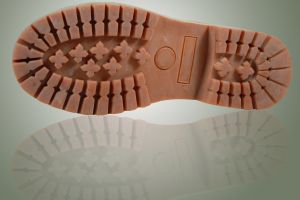
In Ohio and other States, children and students enjoy the amenities and sites of state and national parks every day. Unfortunately, many students and children are injured in these parks. Some even die. In Cambridge, Ohio, a college student (Amy Adams) from Muskingum College recently died. She was hiking at a park in eastern Ohio when she fell from a cliff at Hosak's Cave. She was air lifted to Akron General Hospital where she died. Park officials state that Amy wandered off of a marked trail to get to the top of the cliff.
It is truly sad that a college student with such zest for life and adventure died.

While there is adventure and fun at state and national parks, there are also many dangers. All visitors, adults and children, should pay close attention to warning signs and dangers in these parks.

State and national parks have a duty to keep the parks as safe as possible. Trails and dangerous areas should be clearly marked with appropriate warnings and signage when reasonable and possible.

You can read more about this story at College Student Dies in Ohio Hiking Accident.

April 11, 2009

Safety Tips for Children - Bounce Houses - Preventing Personal Injuries

By David Wolf, Attorney
Published by Child Injury Lawyer Network

bounce%20house%20castle%20safety.jpg

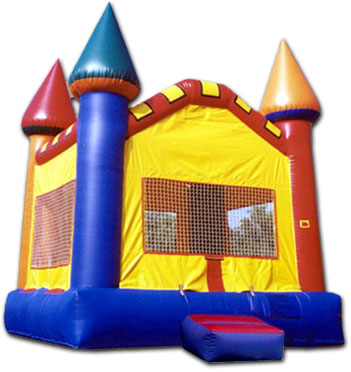
Parents, schools, and organizations rent bounce houses every day. Yes, bounce houses can be fun but they can also be dangerous. Bounce houses are known to be a common area where personal injuries to children take place. When renting a bounce house, parents, schools, and organizations should be careful in which company / operator is selected. The following issues / questions should be considered:

Is the bounce house owner / operator insured?

Did the bounce house owner / operator provide you with a copy of the insurance?

What experience does the bounce house owner / operator have?

What training did the bounce house owner / operator receive?

What safety measures are put in place by the bounce house owner / operator?

Does the bounce house owner / operator provide supervision of the bounce house?

For the safety of the children, the following measures should be put in place:

* a tarp should be placed underneath the bounce house;

* the bounce house should be staked down or alternatively weighted down with weights or sandbags;

* the bounce house should be thoroughly inspected once it is inflated to make sure that there are no holes or tears in the unit;

* the bounce house should be attended by the owner / operator or other adult while in use by the children;

* children under the age of 3 should be kept out the unit;
(Safety experts may disagree on this age requirement or minimum age for use of bounce houses.)

* children of mixed age ranges and sizes should not be in the unit at the same time. In other words, it would be dangerous to have 12 year old children bouncing around with a 4 year old children.)

* the maximum number of children should not be exceeded.

There are other safety measures and procedures that can be utilized as well. Even with careful planning and supervision, injuries can still take place on or around bounce houses. It is clear, however, that the implementation of safety measures can reduce the incidents of personal injuries sustained in and around bounce houses.

January 31, 2009

New York Day Care Centers - Required Safety Precautions (Railings and Barriers) to Prevent Child Injuries

By Steven Smith, Attorney and David Wolf, Attorney
Published by Child Injury Lawyer Network

education%20school%20day%20care%20building%20blocks%20plprj.jpg

New York day care and child care centers are regulated by the New York Office of Children and Family Services. Pursuant to Section 418-1.5, Safety of the New York Codes, Rules and Regulations (NYCRR), child care centers must have railings from the floor or ground to prevent children from falling off of porches, stairs, and decks. In addition, child care centers must provide and maintain barriers to keep children out of and away from unsafe and dangerous area. In particular, a child care center must have barriers in place in areas where there is a swimming pool, drainage ditch, well, hole, wood / coal burning stove, fireplace, and gas heater.

New York day care centers have a duty and responsibility to follow these regulations not only to comply with the laws but also to keep children safe. Properly installed and maintained railings and barriers can help prevent or reduce the number of child injuries from falls, dangerous conditions, and drownings.

January 29, 2009

Medical Study of Injuries at Atlanta Georgia Day Care Centers

By Stephanie Brown and David Wolf, Attorney
Published by Child Injury Lawyer Network

playground%20swings%20with%20buckets%20toddlers%20baby%20day%20time.jpg

Investigators which included pediatric experts conducted an extensive study into the cause of injuries in Atlanta day care centers. While the study was conducted in 1988, its findings are still pertinent today in that the hazardous or dangerous areas in day care centers identified still persist today. These hazardous or dangerous areas that caused injuries to children in Atlanta Georgia day care centers including the following:

*Rock, concrete, stone or stump located in the fall zone on ground or in playground;
*sharp protrusion leading to lacerations, cuts and other injuries;
*blunt protrusions on playground equipment;
*trill and fall hazards;
*loose and broken parts to playground equipment;
*hard swing sets
*trip over hazards; and
*inadequate clearance leading to head injuries and other injuries.

Statistically the study found that 47 % of the injuries that took place at day care centers took place on the playground. This statistic should motivate day care centers in Atlanta Georgia and the rest of the nation to carefully plan, supervise, monitor, and maintain the playground area of the day care center. Better planning, maintenance, and supervision can help reduce the incidence and severity of child injuries at day care center playground areas. You can read the study of Atlanta day care centers at Playground Hazards in Atlanta Day Care Centers.

January 28, 2009

Ohio Child Day Care Centers -What Laws Apply as to Outdoor and Indoor Play?

By Will Brown, Attorney and David Wolf, Attorney
Published by Child Injury Lawyer Network

playground%20tire%20swing%20black%20with%20chains.jpg

In Ohio child day care centers, children suffer personal injuries every day while participating in outdoor / playground play or indoor play. Many of these child injuries could be prevented with better and more diligent supervision by child care workers and with better and more timely maintenance of playground equipment and toys. In some instances, the playground equipment or toy is inappropriate for the child's age group, size, and maturity. For instance, raised platforms with no protective railings or sides would be inappropriate for infants and toddler who have poor balance and safety awareness. Toys with small removable parts or broken toys would also be inappropriate for this age group.

Pursuant to Chapter 5104 - Child Day Care - Section 5104.011 (B) (2), Ohio child day care centers must provide on site a safe outdoor place space that is enclosed by a fence or otherwise has as barrier in place to protect children from traffic and other hazards like waterways and electrical equipment. The space shall be not less than 60 square feet per child using the space at any one time. There are some exceptions to this law if there is an indoor play area, an accessible park regularly available and used for outdoor play, and close supervision. Whether the outdoor play area / playground is on site or off site, Ohio child day care centers must ensure that the play area, playground equipment, and toys are safe for the children and there is close supervision.

January 27, 2009

Massachusetts Day Care / Child Care Centers - What Rules and Regulations Apply to Playground Areas?

By Ryan E. Alekman, Attorney and David Wolf, Attorney
Published by Child Injury Lawyer Network

playground%20swings%20with%20buckets%20toddlers%20baby%20day%20time.jpg

In Massachusetts and other States, children in child care / day care suffer personal injuries on playgrounds and outside areas. Some personal injuries result from poor supervision or negligent inspection / maintenance of playground equipment. Some personal injuries result from a poor design or dangerous heights of playground areas. Many injuries on playgrounds in Massachusetts day care / child care centers can be avoided with diligent supervision, properly designed playground areas considering the size and age of the children, and consistent maintenance.

Pursuant to the Department of Early Education and Care - Group Child Care Licensing Regulation P-GCC/SA-32, playgrounds must have impact absorbing ground surfaces in order to provide a safety barrier for child playing on playgrounds. This especially applies for playgrounds with any elevated surfaces and play equipment. Under this regulation, the Department has a chart as to the amount of compressed or uncompressed wood mulch, sand, wood chips, and other surfaces that must be used as ground cover for playgrounds. The purpose of this regulation is to prevent injuries or reduce the severity of injuries sustained by children on playground areas in Massachusetts child care / day care centers.

January 25, 2009

Georgia Day Care Centers Have 24 Hours to Report Deaths and Serious Illness / Injury Requiring Medical Center to State of Georgia Child Care Licensing Office

By Stephanie Brown and David Wolf, Attorney
Published by Child Injury Lawyer Network

documents%20business%20binders%20black%20lined%20up.jpg

In Georgia and Other States, day care centers have a duty to report incidents of serious injury and death to the responsible child welfare agency. In Georgia, day care centers have a duty to report these incidents to the Department of Human Resources - Child Care Licensing Office within 24 hours. In particular, day care centers must report the following:

*any death of a child while in the care of the day care center;
*any serious illness or injury requiring hospitalization or professional medical attention beyond first aid rendered at the day care center;
*any fire (regardless of injury);
*any structural disaster within the day care center facility; and
*any incident / emergency situation that required the temporary relocation of the children.

January 24, 2009

Ohio Child Day Care Centers - What Ohio Laws Apply to Child Day Care Centers?

By Will Brown, Attorney and David Wolf, Attorney
Published by Child Injury Lawyer Network

education%20school%20day%20care%20building%20blocks%20plprj.jpg

Ohio child day care centers are regulated in part by the Ohio Revised Code (O.R.C.) Chapter 5104 - Child Day Care. Like many day care laws throughout the nation, the Ohio child day care law can be confusing. Even the definition of a child day care center is subject to various exceptions and definitions. For instance, there is an exemption from the legal definition of child day care centers in Ohio for a child day care center is operated by a religious institution or a parent of one of the children. Whether the child day care center is regulated by all of the provision of Ohio Revised Code 5104 or not, each child day care center or facility that provides child care in any manner must provide the child with a safe and clean environment while supervising and caring for the children. For private, public, and religious facilities that provide child care, a child should not suffer injuries due to negligent supervision or poor maintenance of the facility. If a child suffers personal injuries as a result thereof, the parents can legal take action in Ohio to recover medical bills and pain and suffering due to the child injuries suffered at the facility. Since the laws can be confusing and facilities, depending on the structure and business set up, are regulated in different ways, it is often times helpful to have the assistance, guidance, counsel and representation of an Ohio child injury lawyer / attorney for these child injury matters.

January 20, 2009

Parents: Be Aware of Escalator Dangers in Atlanta Georgia and Other Cities

shopping%20center%20escalator%20black%20with%20clear%20sides.jpg

By Stephanie Brown and David Wolf, Attorney
Published by Child Injury Lawyer Network

Each week in Atlanta, Georgia, people are injured on escalators—often those people are children. While recent reports have blamed the popular soft-sided flexible clogs worn by children, escalator injuries are an ongoing problem that did not begin with the advent of the suspiciously ugly shoes. While the escalator industry has voluntarily created new standards for reducing the size of the gap between escalator steps and the escalator wall, these new standards do not have any impact on escalators built before 2000.

Meanwhile, children continue to suffer dangerous entanglement injuries in Georgia escalators. In the summer of 2008, a three year old child’s foot was sucked into the gap at the side of the escalator in a MARTA station. The child’s foot was mangled, leaving nothing but a nub where her small toe should be. There have been at least seven cases this year in Georgia involving children’s feet becoming entangled in escalators.

To prevent personal injuries like these to your child, keep feet away from the sides of steps where entrapment can occur. Learn the location of escalators' emergency shut-off buttons in case you need to stop the machine in an emergency. The emergency shut off switch is usually at each end of an escalator. Make sure shoes are tied and that clothing doesn't drag onto escalator stairs. Always hold children's hands and do not allow them to sit or play on escalators. Malls should be places of shopping not places of serious personal injuries to children.

January 18, 2009

Alabama Child Day Care Centers - Outdoor Play Areas / Playgrounds - Regulations and Procedures

By Scott Soutullo, Attorney and David Wolf, Attorney
Published by Child Injury Lawyer Network

playground%20swings%20with%20buckets%20toddlers%20baby%20day%20time.jpg

In Alabama and other States, children are injured in day care centers every day. Many of the personal injuries take place outside and in the playground area. The State of Alabama - Department of Human Resources - Minimum Standards for Child Day Care Centers - Regulations and Procedures - sets forth minimum safety requirements for playgrounds located at child day care centers.

Many injuries take place when a child falls off playground equipment. Some injuries occur when playground equipment tips over because the playground equipment is not anchored or in the alternative the playground equipment is not properly anchored or maintained. In light of these dangers, the Alabama Department of Human Resources set forth the following regulations and procedures:

*Concrete or asphalt surfaces shall not be used under playground equipment
(There is an exception for wheeled toys);

*The child day care center should make sure that the outdoor play area is well drained;

*Playground equipment that is permanent in nature shall be securely anchored so that the equipment cannot be tipped over by the force of an adult; and

*Outdoor stairways or steps shall have a child accessible handrails for safety.

Playground personal injuries to children in Alabama child day care centers can be avoided with the implementation of these safety measures. It should also be pointed out that these safety measures, regulations and procedures are the prescribed minimums for Alabama child day care centers. Even if the regulations and procedres are followed, an Alabama child day care center can also be held liable for personal injuries to a child / student if the facility or an employee was negligent in maintaining the playground environment or was negligent in the supervision of a child at the day care center. All Alabama child day care centers should follow the applicable regulations and procedures, provide diligent supervision, and use some common sense when caring for children in a day care center.