January 26, 2012

Dangers and Risks of Toys and Games to Children - Personal Injuries and Deaths Reported

By David Wolf, Attorney
Published by Child Injury Lawyer Network

Toy%20Dangers%20Choking.jpeg

Children just love playing with games and toys. Unfortunate, the very games and toys that bring hours of enjoyment to a child can also cause serious personal injuries and, in some cases, the untimely death of a child. When a child suffers an injury due to an unsafe product and / or improper supervision of the child, it is often helpful to contact a Child Injury Attorney for consultation and representation regarding the matter. A Child Injury Attorney can advise a parent as to the legal rights of the injured child and the rights to compensation for the injuries sustained by the child.
For younger children, there is a serious risks of choking on parts of a toy or game. Children are curious and lack good judgment. Often times, a child will put a piece of a toy or game in his or her mouth without giving much thought to the risks involved. Some games or toys are manufactured with small parts or pieces. Other games and toys can be damages or broken that result in small parts or pieces being available to the child. Toy safety and supervision are important in the home, the homes of relatives, friends, and neighbors, schools, day care centers, and other locations. Here are some safety tips to keep in mind to prevent or reduce the incidents of choking on toys:

1. Age Recommendations. Most toys are labeled with age recommendations. It is important to read the instructions and packages for toys. The age recommendations are there for a reason. While these age recommendations are far from perfect, they can serve as a guide to make a decision as to the use of a toy or game for a certain child and age group. If the packaging has been lost or discarded, search for the toy or game on the Internet. You can also contact the manufacturer or visit a store for more information regarding the toy or game.

2. Toy Maintenance and Inspection. Toys and games should be frequently inspected and cleaned. While a toy may be safe when purchased, it can become broken or worn over time and present dangers to a child.

3. Supervision. No matter the labeling or inspection of a toy, nothing can replace the importance of supervision of children when playing with toys and games. Children should use the toys and games as instructed. Often times, a child will misuse a toy or game without recognizing the dangers associated with the same.

4. Storage of Games and Toys. Since it is impossible or impractical to provide 24 / 7 of children in most instances, it is important to safely and securely store toys when supervision is not provided or available. Keep all toys with small pieces out of the reach of toddlers and infants who have a habit or risks for putting these pieces in their mouths.

5. Set Rules and Limitations for Play. Children should be instructed as to proper use and timing of play. By setting Rules and Limitations in place, many personal injuries can be reduced. There should be a time and place for toy and game play. Furthermore, toys should be removed from the floor and areas should be organized and cleaned to prevent injuries to the children and others.

6. Remove Unsafe Toys and Games. The Consumer Product Safety Commission periodically recalls toys and games that are determined to be unsafe for children. Parents and child care providers should visit the website for The Consumer Product Safety Commission to find out about these toy and game recalls.

See also Choking Risks to Children from Toys and Games.

The book titled - The ABCs of Child Injury - Legal Rights of the Injured Child - What Every Parent Should Know - has chapters on Damages / Compensation, School Injuries, Homeowner's Insurance, Day Care Center Injuries, and other topics. You can receive this book for free at The ABCs of Child Injury.

January 3, 2012

Causes of Toy Related Deaths and Personal Injuries - Risks to Children

By Roy Dickinson, Attorney & David Wolf, Attorney
Published by Child Injury Lawyer Network

Toy%20Riding%20Personal%20Injury.jpg

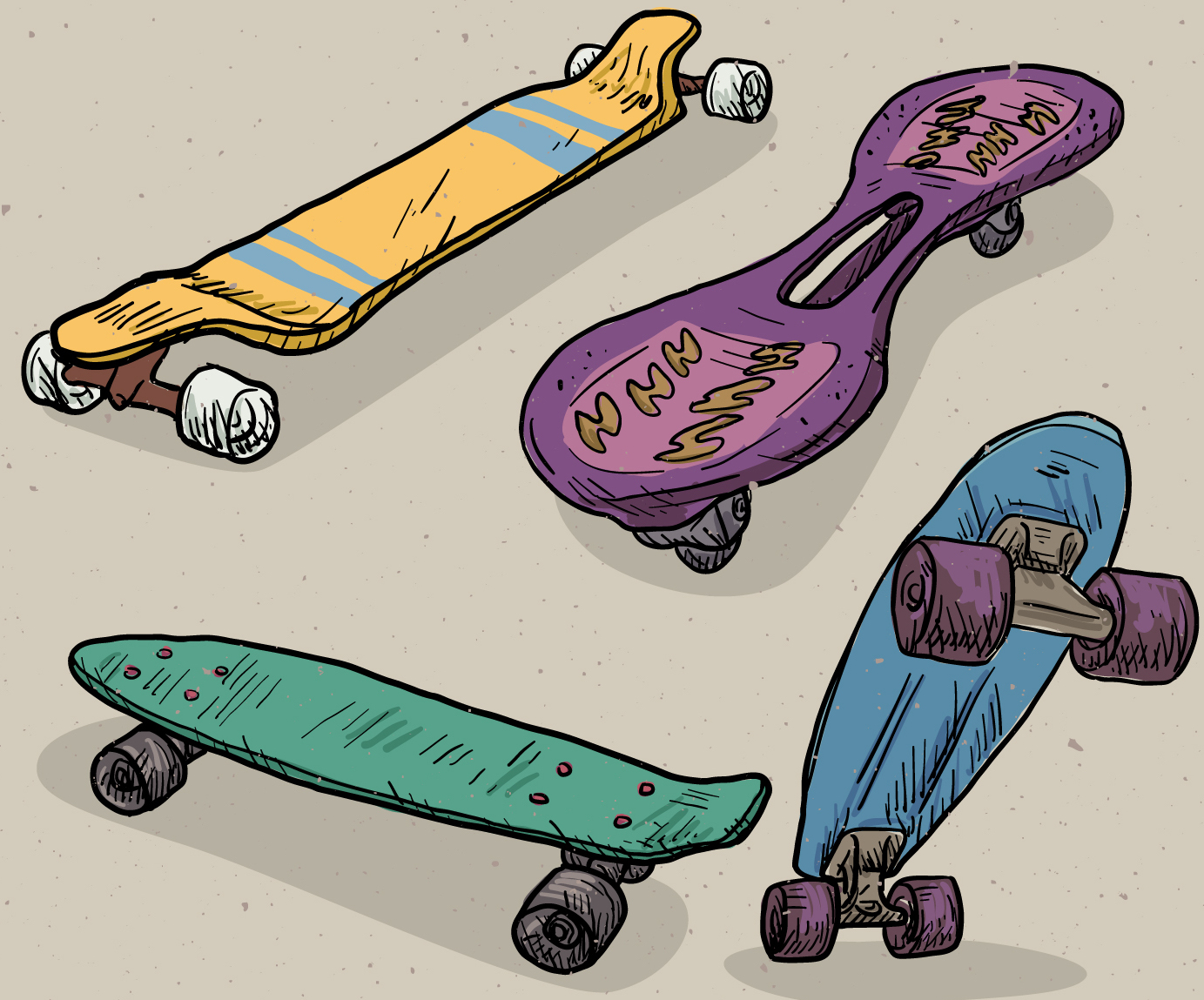
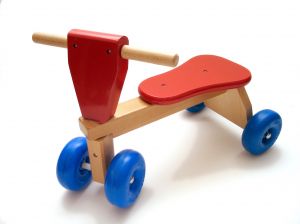
Now that the holiday season is over - - - children will be busy playing with the toys, bikes, skateboards, and other items that they received in December. While these items can occupy the time of a child, entertain them, and help them be active - these items can also be the cause, in part, of injuries to children. As reported by Safe Kids USA, speed and small parts are included as the causes for toy related injuries. Emergency room visits take place due, in part, to accidents while a child is riding a tricycle, bicycle, or scooter. While the only way to avoid every single injury is to avoid these items and activities - this is not realistic or sensible; however, there are safety measures that a child can take under the guidance and supervision of a parent, babysitter, school, day care center, or other responsible adult. Training and instruction can go a long way to prevent injuries. Make sure that the child understands the mechanism of the toy or bike and that he has lots of practice before taking longer rides or riding faster. It has been reported that 150,000 children are seen in emergency rooms every year due to toy related injuries. Of these injuries, approximately 1/3 of the injuries resulted from riding toys like a tricycle or scooter. Between the years of 1990 to 2009, almost 200 children have died due to choking related injuries caused by small toy parts. For more information on this topic - See Causes of Injuries from Toys - Small Parts and Speed.

Child safety experts recommend that all children wear a helmet on any riding toy or device. Whether the riding toy is a slow one or a toy capable of higher speeds, a child should always wear a helmet for his or her protection. Furthermore, parents should know that a serious injury can just as easily occur close to home in the driveway as it can further away from the home. Concrete is concrete and when a child hits the ground without a helmet - serious head or brain injuries can and do happen. While a helmet will not reduce all injuries or incidents, it is one safety measure or item that should always be used.

The book titled - The ABCs of Child Injury - Legal Rights of the Injured Child - What Every Parent Should Know - has chapters on Medical Bills / Medical Treatment, Damages / Compensation, Homeowner's Insurance, Playground Injuries, and other topics. You can get this book for free at The ABCs of Child Injury.

December 23, 2011

Proving the Cause of Death of a Child - Factors to Consider - Missouri Newborn Dies After Consuming Formula

By Joseph R. Hillebrand Attorney and David Wolf, Attorney
Published by Child Injury Lawyer Network

State%20Map%20Missouri.jpg

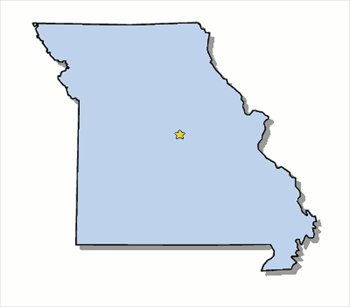
In Missouri and other States, the loss or death of a child is a parent's worst nightmare. The stress and trauma from the child's death is often times exasperated when the cause is unknown. It is event worse if an investigation later reveals that the death could have been prevented. When a child dies from unknown causes, an autopsy is typically performed to determine the cause, manner, and, yes, the preventability of the death of the child. While an autopsy will do nothing to bring back the child, the results of an autopsy can provide a family with needed answers in their time of grief. Furthermore, autopsy investigations and results can result in actions that end up protecting other children from similar deaths or personal injuries. Proving the causation of a child's death can be an extremely complicated medical and legal matter. Because of this, it is helpful to have the the advice, consultation, and representation of a Child Injury Lawyer on these matters.
In December 2011, Wal-Mart pulled a shipment of baby formula off the shelf in response to the reported death of a Missouri baby. In fact, the formula was removed from 3000 of Wal Mart's stores as a preventative measure if the formula played a role or was a causative factor in this child's death. The formula at issue was 12.5 ounce cans of Enfamil Newborn powder. While testing with the manufacturer - Mead Johnson Nutrition - showed that the lot was negative for bacterium prior to shipment, Wal Mart made the business decision to pull the formula off of the shelf pending further investigation and information. See Wal Mart Pulls Baby Formula Off Shelves of 3000 Wal Mart Stores.

Avery Cornett, a newborn, was transported to St. John's Hospital, after he was noted to be lethargic and appeared to have some kind of stomach ache. Testing later revealed that the child had Cronobacter Sakazakii which is a rare form of a bacterial infection. The child's condition deteriorated and he was put on life support. Avery died after the life support was discontinued.

It was reported that health department officials will be investigating this matter to determine what factors may have caused or contributed to the child's death including an analysis of the formula, water, and other environmental factors.

When a child dies or suffers personal injuries, there are often times many issues for a parent to deal with including potential legal and insurance issues. The book titled - The ABCs of Child Injuries - Legal Rights of the Injured Child - What Every Parent Needs to Know - has chapters on Damages / Compensation, Medical Bills / Medical Treatment, and other topics. You can receive a free book at The ABCs of Child Injury.


December 11, 2011

Report "Trouble in Toyland" Provides List of Toxic / Dangerous Toys

By David Wolf, Attorney
Published by Child Injury Lawyer Network

education%20school%20day%20care%20building%20block%20y.jpg

The U.S. PIRG (Public Interest Research Organization) released a report titled "Trouble in Toyland) that warns parents, school, day care providers, and others as to the dangerous of certain toys out on the market this holiday season. Toys can pose a risk to children due to choking hazards and / or toxic components like lead. It is important for parents to be on the the look out for these reports and other reports and warnings from organizations like the U.S. Consumer Product Safety Commission. See Trouble in Toyland - List of Dangerous Toys.

Parents and day care providers should be careful when purchasing a toy and when accepting a toy as a gift for a child. Check the packaging for the age recommendations. Closely examine the toy and all contents on the box for small objects or sharp objects. Unfortunately, many children suffer serious personal injuries and, in some cases, death from unsafe toys.

November 24, 2011

Four Year Old Critically Injured at Louisiana State Fair - State Fire Marshal Reports Operator Error

By J. Rock Palermo, Attorney and David Wolf, Attorney
Published by Child Injury Lawyer Network

Fun-fair.jpg

In Shrevport, Louisiana, Sheldon Lewis, age 4, suffered critical injury while attending the Louisiana State Fair. According to the State Fire Marshal, the injuries could have been avoided if safety protocols were followed by the ride operator. In particular, it was reported that the accident and resulting personal injuries could have been avoided if the amusement park ride operator turned the ride off and then removed the key. Another child had pushed a start button to the ride while Sheldon Lewis was on the ride platform. As a result of the unexpected start of the ride, Sheldon became trapped between the floor of the ride and the moving cars on the ride identified as The Twin Ring Demolition Derby. See Fire Marshal Releases Information Regarding Louisiana State Fair Ride Accident Causing Serious Personal Injuries to Sheldon Lewis. See Fire Marshal - Operator Error Was a Factor in Louisiana State Fair Accident.
Parents and other visitors to amusement parks expect that the rides are properly managed and that all reasonable safety measures are followed for safety purposes. This is especially important for children who are frequent visitors to amusement parks, theme parks, and fairs. Safety should always be the primary focus of a ride operator. Unfortunately, mistakes are made from time and time which, in turn, can cause serious personal injuries to children.

The book titled - The ABCs of Child Injury - Legal Rights of the Injured Child - What Every Parent Should Know has chapters on Amusement Park and Theme Park Injuries, Damages / Compensation, Medical Bills / Medical Treatment, and other topics. The book is a good resource for parents looking for some guidance and answers when a child suffers personal injuries as a result of the negligence of another person or business. See Free Child Injury Book for Parents Seeking Answers When a Child Is Injured.

October 17, 2011

Tent Recall by IKEA - Hazards and Risks to Children

By David Wolf, Attorney
Published by Child Injury Lawyer Network

Consumer%20Product%20Safety%20Commission.jpg

Product recalls of toy and play equipment often times come "too little - too late" for children who have already been injured by a defective toy or play equipment. Nevertheless, recalls of dangerous toys and play equipment are vital to the future safety of children. The U.S. Consumer Product Safety Commission recently announced a voluntary recall of a tent that was sold by IKEA. It was reported that the BUSA children's folding tent had a steel wire frame that could protrude through the fabric which, in turn, could cause a puncture or laceration hazard for children. The tent was manufactured in Vietnam. See IKEA - U.S. Product Safety Commission Announce Voluntary Recall of Children's Play Tent.

April 3, 2011

Legal Rights of Injury Victim and Families - Legal Responsibility of Amusement Park Operators - Boy Falls from Roller Coaster in Chicago

By David M. Baum, Attorney and David Wolf, Attorney
Published by Child Injury Lawyer Network

Amusement%20Park%20Rollercoaster%20Track%20child%20safety%20injuries%20insepction%20death.jpeg

In Chicago, Illinois, the life of a 3 year old boy ended at an amusement park in Chicago, Illinois. The boy was riding a roller coaster called the Python Pit when some how he slipped under the safety bar and fell off the ride near Norridge, Illinois. The Go Bananas Amusement Park was the site of the incident which was investigated by the police department. Interestingly enough, the boy's twin brother did not fall off of the ride. See Boy Dies After Fall from Chicago Roller Coaster.

What are the safety and inspection requirements for amusement parks in Illinois? What agency regulations amusement parks in Illinois? What were the particular safety requirements or safety regulations for this particular ride? These are all excellent and pertinent questions to the tragedy at hand. Amusement Parks are regulated by the State of Illinois - Department of Labor pursuant to Carnival and Amusement Parks Safety Act. Pursuant to this law, amusement and carnival rides like the Python Pit Roller Coaster must submit an application for the ride for inspection and be inspected at least once a year. Documentation is required for the ride and all employees or operators of the ride as to background and training to operate the ride. See more information regarding Illinois Laws and Regulations of Amusement Park Rides at the Official Website for the State of Illinois Department of Labor.

Compliance with the State laws and regulations is vital to the safety of children who ride the roller coaster but compliance with the State laws and regulations will not serve as an absolute shield against liability for accidents and injuries. An investigation can be conducted by local, state and federal agencies as to the actual safety or hazards of the ride beyond the State regulations. In addition, the family can hire a private investigation, engineer, and, yes, an attorney to help coordinate these efforts. The manufacturer and distributor of the Roller Coaster ride may be held liable if it is determined that there was a design defect in the way in which the safety bar and / or seat belts (if any) functioned. Furthermore, it may be determined the the minimal safe height for a rider was miscalculated or not followed.

Children should be able to ride an amusement park ride in this day and age and be safe. The most important aspect of each and every ride should be the safety of a child. Dealing with the loss or injury of a child as a result of the negligence of an amusement park or theme park owner and operator can be very difficult for parents. Parents will need the support of family, friends, the neighborhood, and the community when tragedy strikes. There are many questions to answer and many of which cannot be answered at all. For those questions that can be answered, the book titled The ABCs of Child Injury - Legal Rights of the Injured Child - What Every Parent Needs to Know - has chapters on Amusement and Theme Park Injuries, Damages / Compensation, and other topics. While the book is not a substitute for legal representation and does not purport to answer every question on every topic, it is a good start for parents dealing with the challenges of a child injury. You can receive a free copy of this child injury book by clicking here.

The book is also available on Amazon.Com and BarnesandNoble.Com.

February 11, 2011

San Francisco Middle School - Students Consume Poison Mistaken for Candy

By Scott A. Marks, Attorney and David Wolf, Attorney
Published by Child Injury Lawyer Network

poison%20icon.jpg

According to authorities, seven middle school students in San Francisco, California, were taken to the hospital after they ingested rat poison, which they mistakenly took for candy. The incident occurred at Martin Luther King Jr. Academic Middle school. A student told a parent about ingesting a blue cube found atop of filing a cabinet. A teacher later contacted poison control. Although the students showed no symptoms, they were taken to the hospitals for precautionary reasons. School officials say the incident is under investigation. To read more on this story please see Middle school students taken to hospital after ingesting rat poison mistaken for candy.

Children are inherently curious and do not always understand the dangers of their surroundings. It is an adult's and other responsible person's responsibility to lock away all poisons or other toxic chemicals - this is applies to the home as well as day care centers and schools. It is common for children to ingest cleaning products or other toxic chemicals because of brightly colored packing and designs. To read more on poison control around the home, school and day care facility please read Dishwashing Detergent Capsules Pose Risk for Children.

November 22, 2010

13 Year Old Girl (Teagan Marti) Released from Hospital Following Injuries from 100 Feet Drop at Wisconsin Amusement Park

By Jonathan Safran, Attorney and David Wolf, Attorney
Published by Child Injury Lawyer Network

Fun-fair.jpg

Typically, amusement parks and theme parks are great fun and a wonderful place to spend time with family and friends. Unfortunately for some amusement and theme parks are the sites of tragic injuries that a person must endure for a lifetime. In some instances, visitors including children die at theme parks and amusement parks. What should be a place of joy and fun turns into a place of sorrow and grief.

In Wisconsin, a 13 year old girl - Teagan Marti - fell approximately 100 feet to the ground from an amusement park ride. She was hospitalized in Wisconsin and then transferred to Jackson Memorial Hospital in Miami, Florida. The incident took place at the Extreme World Amusement Park located in Wisconsin Dells. Safety devices in the form of nets and air bags were not raised. As a result thereof, Teagan suffered serious personal injuries to her brain, spine, liver and other organs. She spent a month a a children's hospital based in Madison, Wisconsin - American Family Children's Hospital.The ride operator has been charged criminally by Wisconsin authorities for the incident. You can read more about Teagan's injuries and the incident at 13 Year Old Girl (Teagan Marti) Released from Hospital Following Injuries from 100 Feet Drop at Wisconsin Amusement Park.

See also State of Wisconsin Department of Commerce Requires Accident or Incident Report Regarding Personal Injuries Sustained by Guests / Riders.

October 30, 2010

Notre Dame College Student Dies When Video Tower Collapses - Tragedy in South Bend, Indiana

By Thomas Hastings, Attorney and David Wolf, Attorney
Published by Child Injury Lawyer Network

sports%20football%20helmet%20white%20on%20grass.jpg

In South Bend, Indiana, Notre Dame is the epicenter of the town with deep roots in football. While football is often a time for celebration, tradition, and fun, there was a recent story that brought news of tragedy. Declan Sullivan was filming Notre Dame football practice from a video tower. For some reason, the tower collapsed and caused serious personal injuries which, in turn, ended the life of this 20 year old student from Long Grove, Illinois.

Declan Sullivan was on a hydraullic scissor lift. The make and model of the lift was not reported. There is a good article on safety and scissors lift located at Scissor Lift Safety. OSHA (Occupational Safety and Health Administration) considers scissor lifts to be mobile scaffolds and regulates the use accordingly.

It was reported that there were winds of 51 miles per hour at the time of the incident. It would interesting to know the manufacturer specifications and warnings for the product as well as the weather forecasts that were available prior to the incident. Investigations may also reveal policies and procedures for the operation and use of the scissor lift.

Wins and loses are important in College Football. However, this story is not about competition or the great football program. This story is about a life lost. Was the incident avoidable? Was the equipment properly utilized and set up? Was weather a factor in the incident? These and other questions should be addressed through the investigation. You can read more about this story at Notre Dame Student Dies in Video Tower Collapse.

October 24, 2010

Oversight of Playground Injuries in Oklahoma - Child Injuries

By Roy S. Dickinson, Attorney and David Wolf, Attorney
Published by Child Injury Lawyer Network

playground%20swings%20with%20buckets%20toddlers%20baby%20day%20time.jpg

In Oklahoma and other States, there are concerns about the lack of consistent and accurate date regarding playground incidents and accidents. Children are frequently injured on playgrounds at schools, day care centers, parks, community centers, and homes. Many experts believe that it would be helpful to have some kind of reporting system or data bank set up for the reporting of playground incidents resulting in personal injuries to children. By having such data in place, it could help designers and manufacturers make the playground equipment more safe for children. The information would also be helpful to teachers, day care providers, and child care providers who provide the day to day supervision of children on playgrounds. While not all injuries can be prevented on playgrounds, many such injuries can be prevented if we know why and how children are injured on playgrounds. You can read more about this topic at Oklahoma Playground Injury Oversight Sought

June 19, 2010

Button Batteries / Lithium Batteries Pose Serious Health Risk to Children - Danger of Personal Injuries, Disabilities and Death to Children

By David Wolf, Attorney
Published by Child Injury Lawyer Network

household%20button%20batteries%20products%20liability%20injury.jpg

Lithium batteries power small electronics and toys. Unfortunately, there is a risk of choking on these Lithium batteries by small children. Lithium batteries are often referred to as "button batteries". Lithium button batteries or small coin sized batteries can be found in toys, electronic equipment, and household items.

Wrongful death and serious personal injuries to children can result from the swallowing / ingestion of Lithium batters / button batteries. Children are curious and have poor safety awareness. As such, it is foreseeable that a small child or toddler would swallow a button battery. Parents, babysitters, caregivers, and other child care providers should be on the look out for button batteries and other small items that a child could ingest.

You can read more about this topic at Button Batteries / Lithium Batteries Pose Serious Health Risk to Children - Danger of Personal Injuries, Disabilities and Death to Children.

April 5, 2010

Product Recall: Custom Roman Blinds from Ethan Allen Design Centers

By David Wolf, Attorney
Published by Child Injury Lawyer Network

WindowShade.jpg

The United States Consumer Product Safety Commission has issued a warning and recall notice for roman shades sold by Ethan Allen Design Centers under the Ethan Allen brand name. The recall involves over 150,000 shades, which are said to pose a strangulation threat if a child places his or her neck between the inner cord and the fabric back of the shade, or if the child wraps the inner cord or exposed loop around his or her neck.

The recall is for all styles and sizes of roman shades, which were custom, made-to-order shades priced between four hundred and a thousand dollars. The shades were made in a wide variety of colors, sizes and fabrics, and bear no markings indicating that they are Ethan Allen brand shades. Affected shades were sold at the stores from 1999 through December 2009.

Parents who have installed these shades in their homes should remove the shades from use immediately and contact the store where the shades were purchased to request a free repair kit. Many children have become entangled in the chords, and three children have been killed.

The United States Consumer Product Safety Commission would like to remind all consumers to carefully inspect any shades in their home to be sure that there are no exposed cords or inner cords. If such cords are found and children are likely to be present in the home, the shades should be replaced immediately.

See product pictures and get Ethan Allen recall contact information at the CPSC website: Risk of Strangulation Prompts Recall to Repair Roman Shades by Ethan Allen.

March 24, 2010

Norene, Tennessee – Three Year Old Girl Mistakes Gun for a Wii Remote, Fatally Shoots Herself

By George Fusner, Jr., Attorney and David Wolf, Attorney
Published by Child Injury Lawyer Network

Gun.jpg

Douglas Cronberger of rural Norene, Tennessee thought he heard a prowler enter his home during the night. He got up to check it out, bringing his .380 caliber handgun with him. He thought the gun was unloaded. After checking the house and not finding anyone, he set the gun on the end table in the living room and forgot about it, then later went back to bed.

Sometime during the night, his three year old step-daughter, Cheyenne Alexis McKeehan, woke up and went out into the living room. She picked up the pistol and fatally shot herself in the abdomen. Police believe that the girl thought the gun was the remote for her Nintendo Wii video game, which was also kept in the living room and looks remarkably like a real gun. The girl had been playing the video game for several days before the incident occurred.

The child’s mother, Tina Ann CronBerger, was asleep in the house when the accident took place. Terry Ashe, the Wilson County Sheriff, is saddened by this tragic accident, but is working hard to get out the message that everyone needs to secure their firearms, especially those who have children of any age in the house.

Read more details of this tragic accident at 3-year-old fatally shoots herself after mixing up wii game with real pistol.

March 17, 2010

Are Teddy Bears More Likely to Cause Child Injury Than Grizzly Bears?

By David Wolf, Attorney
Published by Child Injury Lawyer Network

Teddy.jpg

You might be surprised to find out that in everyday life, commonplace items or activities are much more likely to be dangerous or even fatal than the alarming accidents we hear about on the news each night. Unfortunately, people are much more likely to use caution when they are in a situation they perceive as being dangerous than they are when doing normal activities. But 1 million Americans are seriously injured in their own kitchens every year – and that is only one room in the house.

An example that parents should be especially aware of is the teddy bear. Which is more dangerous – a teddy bear or a real bear? In the last eighty nine years, eighty two Americans have been killed in bear attacks. Teddy bears and other toys account for twenty two deaths each year, and nearly one hundred and fifty thousand injuries. Most of these deaths and injuries happen to children. The most common teddy bear hazard is the small parts that can fall off and become choking hazards, like their glass eyes. Teddy bears are also tripping hazards. Tripping and falling can cause no harm at all or can result in death, if the child trips and falls down a flight of stairs or hits his or her head on the sharp corner of a coffee table.

So while you should use caution while hiking in the woods with your children, it is even more important to make sure that their toys are age-appropriate, that they are picked up and put away after use, and that they don’t have any small parts that can break off.

Read about more everyday, little known hazards at Dangers Of The Commonplace.

March 1, 2010

Pediatricians Urge the Labeling of Certain Foods as Choking Hazards for Children

By David Wolf, Attorney
Published by Child Injury Lawyer Network
HighChair.jpg

According to the American Academy of Pediatrics, every five days a child dies in the United States from choking on food. That makes choking the number one cause of death for children under fourteen, although children under four are most at risk.

The group is now calling on legislators and manufacturers to put in place a system of labeling certain high-risk foods to warn parents of choking risks. It points out that there are many laws and regulations aimed at preventing children form choking on toys, but no consistent program for labeling foods that pose the same type of risk. In addition to lack of regulations, there is also no central repository for data on childhood deaths caused by choking on food. The Academy would like to see that change, as well.

Certain types of foods are more likely for kids to choke on. These foods are usually cylindrical and about the size of a child’s throat. Foods mentioned specifically included hot dogs, grapes, baby carrots, apples and peanuts. The Academy has released some tips for parents to deal with risky foods:

• Cut the food into smaller pieces so it is not the right size to block the child’s throat. This includes cutting hotdogs lengthwise and grapes into quarters.
• Don’t give small children hard to chew foods like hard candies, nuts and baby carrots.
• Keep children in an upright seated position when eating.

Read more about the American Academy of Pediatrics’ initiative to prevent childhood food choking at Labels urged for foods that can choke kids.

February 28, 2010

Tacoma, Washington – Small Child Injured After Falling Through Bleachers in Tacoma Dome

By David Wolf, Attorney
Published by Child Injury Lawyer Network
Stadium.jpg

A mother’s piercing screams brought the Washington state high school wrestling championships to a sudden halt in Tacoma recently. The woman’s seventeen month old child had just slipped through a gap in the bleachers at the Tacoma Dome, and had fallen twenty to thirty feet to the concrete below.

Amazingly, when medics reached the girl behind the bleachers, they found her conscious and moving about. She was rushed to the hospital, and is reportedly doing well, though her condition was not officially released.

A spokesman for the Tacoma Dome is calling this a freak accident, saying that the dome has been in existence for over twenty five years and this is the first time an accident of this nature has taken place. Immediately after the accident, Tacoma Dome employees searched the arena for gaps and taped over several as a temporary measure until more permanent modifications can be made. Investigators are now talking to witnesses to piece together what happened. They have said they will do whatever it takes to keep such an accident from happening again.

At the same event, a person fell through a ceiling tile in a restricted area, but was not injured badly enough to require a trip to the hospital.

To find out more about this harrowing accident at the Tacoma Dome, visit Child injured in fall from Tacoma Dome bleachers.

February 16, 2010

Philadelphia, Pennsylvania – Twenty Month Old Child (Suliaman Orrell Kirkland) Dies of Drano Injuries Allegedly Inflicted by Babysitter

By David Wolf, Attorney
Published by Child Injury Lawyer Network
Cleaners.jpg

Aaron Pace of Philadelphia, Pennsylvania was babysitting twenty month old Suliaman Orrell Kirkland recently, with other family members present in the home. Pace, who refers to himself as the child’s godfather, allegedly wet a rag with Drano and applied it to the child’s skin to punish him for being uncooperative.

Of course, Mr. Pace and / or any other potential Defendant has the right to advice and counsel from a criminal defense attorney. The district attorney and police department have a duty to investigate deaths of this nature to determine if a crime was committed, the type of crime committed, and the evidence available to prove such a crime. Some child deaths result from inattention, negligence, or just an unfortunate and unpredictable incident. Others result from intentional and reckless acts which should be prosecuted.

Pace’s family members did not witness the alleged Drano incident, but did notice sometime later that Suliaman was injured, and called the child’s mother. She in turn called an ambulance. When paramedics arrived, they found the child covered with chemical burns on his upper extremities. The child was rushed to the hospital in critical condition. He died of his injuries the next day. Pace is being held by police but has not been charged with any crime.

There are far too many stories in the news about children being “punished” by being exposed to toxic household chemicals. These chemicals are very dangerous and can seriously injure or even kill a young child. Parents and caregivers need to understand that injuring a child is not an appropriate disciplinary tool. More details about the tragic death of Suliaman Orrell Kirkland can be found by visiting Police: Babysitter killed toddler with Drano.

February 6, 2010

Toxic Metal (Cadmium) Found in Children's Jewelry - Health Hazards

By David Wolf, Attorney
Published by Child Injury Lawyer Network

laboratory%20microscope.jpg

Lab testing of children jewelry detected high amounts (some levels exceeding 90 % of the item's weight) of a dangerous and toxic metal called Cadmium. Direct exposure to Cadmium can cause health problems for children. There is not a great deal of scientific literature or study of this toxic metal as the typical exposure to children and others has been limited. Nevertheless, parents and medical professionals should be aware of this study and the danger of Cadmium. The safest way for parents to handle this matter is to refrain from putting jewelry on a child unless it is made from a metal like gold or silver that has no potential harmful side effects or health hazards. You can read more about this story at Toxic Metal Found in Kids's Jewelry Very Dangerous.

January 15, 2010

Recent Baby Product Recalls Prompt Stricter Regulations on Manufacturers

By David Wolf, Attorney
Published by Child Injury Lawyer Network
Numbers.jpg

The Consumer Product Safety Commission has recently imposed new regulations on manufacturers of baby products. Industry insiders speculate that the new rules were prompted by a recent rash of baby product recalls.

The rules, which were passed unanimously, will require, among other things, that manufacturers keep track of all product owners, by giving customers a postage paid registration form with the product. The manufacturer must then keep the customer’s information on file. The Consumer Product Safety Commission passed this rule to make sure that parents can be informed of life-saving recalls as soon as possible.

In 2009 three major recalls of baby products were issued after serious injuries occurred. The defective products included an infant car seat with a defective handle, a crib that caused injuries, and a stroller that caused finger amputations. Hopefully these new regulations will help parents keep their children safe from dangerous and defective products.

Find out more about this story at ABC News Reports on New Baby Consumer Product Regulations.


Web Analytics